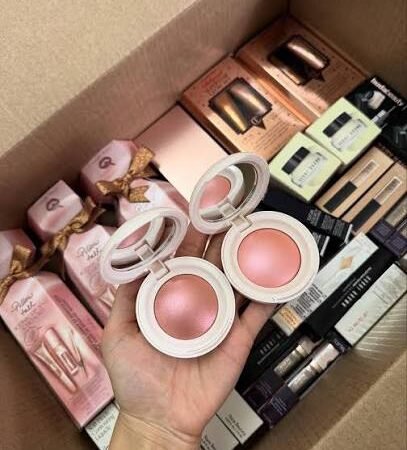

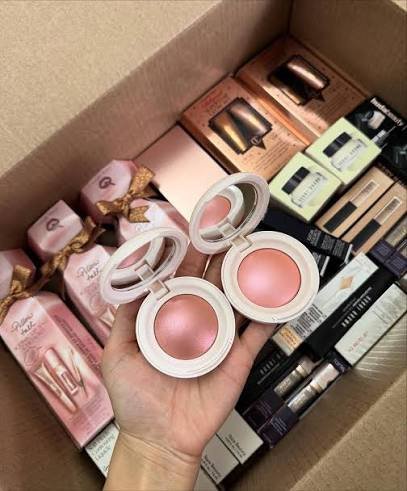
Beauty stock can look attractive in bulk because recognised brands and repeat-use products may appear in the same lot. The category also requires careful checking. Dates, packaging, storage history and the balance of brands can all affect whether a purchase is suitable for resale.
Check dates product by product
Not every beauty item uses the same type of date information. Some products may display expiry dates, batch information or a period-after-opening symbol, depending on the item and packaging. A reseller should inspect the information supplied and avoid assumptions from the outer carton. When evaluating health and beauty pallets, goods with limited remaining usable life need especially cautious demand and pricing estimates.
Look closely at seals and packaging
Packaging affects both product protection and customer confidence. Crushed boxes may be acceptable for some discount channels, while broken seals, leakage or damaged containers can create a much more serious issue. Buyers should distinguish cosmetic damage to an outer box from damage that affects the product itself. Photographs and lot descriptions are useful, but checks after delivery may still be necessary.
Consider how the stock has been stored
Temperature, moisture and sunlight can affect some personal care and cosmetic products. A buyer may not always have a complete storage history, so any available seller information should be read carefully. Products that arrive in poor condition, show separation, leakage or other visible concerns should not simply be listed because the packaging carries a familiar brand.
Judge the brand mix against the audience
A pallet containing well-known names can still be difficult to sell if the mix does not fit the reseller’s customers. Premium skincare, everyday toiletries, cosmetics and hair products may appeal to different groups and price points. A useful brand mix gives the seller enough recognised demand while avoiding too many isolated products that require separate marketing.
Watch shade, size and variant balance
Beauty ranges often contain shades, scents, formulations and sizes that do not sell at equal rates. A lot with many units in unpopular variants can move slowly even when the brand is strong. Buyers should examine the distribution within health and beauty pallets rather than valuing every unit at the same expected resale price.
Allow time for checking and listing
Mixed beauty stock can require detailed receiving work. Units may need to be sorted by brand and product type, checked for packaging damage, reviewed for date information and photographed individually or in groups. That labour should be considered part of the buying decision because it affects how quickly the stock can become saleable.
Choose channels that fit the condition
Pristine boxed items may suit the main online store or gift-focused sales. Products with marked outer packaging might be more appropriate for clearly described discount listings, provided the goods themselves remain suitable for sale. Bundles can also help move complementary products, but they should be created around genuine customer value rather than simply to hide slower items.
Build a cautious valuation
The safest valuation uses realistic selling prices and allows for units that may need to be discounted or rejected after inspection. Delivery, marketplace fees, packing and staff time should also be included. This is particularly important when health and beauty pallets contain a wide mixture of brands and conditions.
Keep records by lot
Beauty buyers can improve decisions by tracking each purchase. Recording rejected units, average selling time, markdowns and the variants that sold fastest creates a clearer view of true lot quality. The information can also show whether certain lots repeatedly contain too many slow shades, damaged boxes or short-dated products. Over time, this turns receiving checks into useful buying data rather than a one-off inspection task.
Good beauty sourcing depends on details that are easy to overlook in a headline lot price. By checking date information, seals, packaging, storage clues, variants and audience fit, resellers can judge whether the stock is likely to move at a sensible pace.