
Businesses used to assess their staff members through annual performance evaluations, which they conducted every year. Managers would meet with employees to discuss their work while they received ratings and established goals for the upcoming year.
Companies have started to provide regular feedback to their employees through their business operations that exist today. The process of evaluation continues throughout the year because managers and staff members maintain their ability to discuss work progress and solve problems while they adjust their goals.
A Performance Management System stores all organizational goals together with performance data and review documentation in a single database. The system enables managers to track employee development through the entire year while they can deliver necessary assistance at every stage.
Why Is the Annual Appraisal No Longer Enough?
The annual appraisal remains a standard business practice that serves as a helpful tool for organizations. Organizations face multiple challenges because they conduct only one performance review, which happens at the end of each year.
An employee continues to repeat the same error throughout multiple months. Managers should not delay feedback until the annual review because employees lose the chance to correct mistakes.
Managers could forget all their employees’ work achievements that happened throughout the year. People tend to remember recent work because it exists in their short-term memory.
Some common problems with yearly appraisals include:
- Feedback comes too late
- Employees may not know if they are doing well
- Goals can change during the year
- Performance problems may take longer to fix
- Employees get fewer chances to improve
- The review can become focused mainly on ratings
This is where regular feedback can make a difference.
What Does Continuous Feedback Mean?
Continuous feedback means regularly discussing an employee’s performance instead of waiting for the yearly appraisal.
Managers should also keep regular meetings short and focused for better management.
Continuous feedback includes multiple methods which involve brief talks after project completion, regular monthly meetings and quick talks about staff member development.
The manager can recognize the work immediately when an employee finishes a crucial project before the scheduled deadline. The manager should establish a system which allows full employee work recognition at their first achievement point.
The manager needs to find out the difficulties in the employee’s task during the initial stage so that they can provide effective support for staff development.
How Is Continuous Feedback Changing Performance Management?
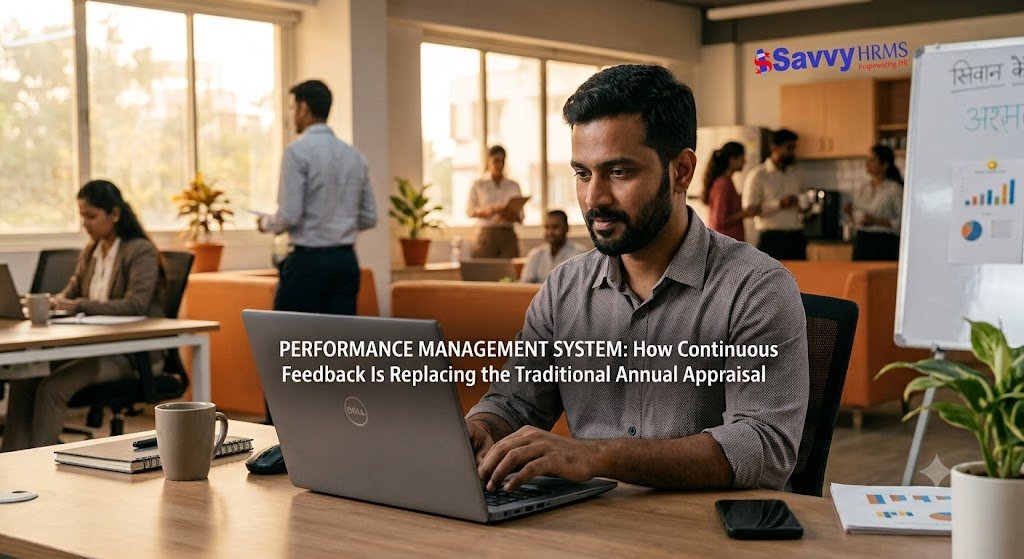
Organizations now manage employee performance through continuous feedback systems which have replaced their previous methods. Managers can now discuss employee performance through continuous feedback instead of waiting for the traditional annual appraisal process.
1. Employees Get Feedback on Time
Staff members get the chance to see what they are doing right and what they need to work on by getting feedback about how they are performing.
2. Goals Can Be Updated
Business needs might change during the year. Managers who talk to their employees often can change the goals of the employees when their work needs or the company’s priorities change.
3. Employees Get More Chances to Improve
Managers who give feedback to employees at the beginning of their work process create more chances for employees to get better and do better work.
4. Good Work Gets Recognized
Managers should. Praise good work as it happens instead of waiting for the regular performance review that happens once a year.
5. Discussions Become More Useful
Performance management works best when teams meet often to discuss their goals. They talk about where they’re now as they share the problems they are facing and what they need to learn.
How Can Performance Management Software Help?
Managing feedback for employees can be challenging when everything is done by hand. HR teams might have to use spreadsheets, emails, documents and different files to track goals and reviews.
This is where a Performance Management Software can help.
The software can bring different performance activities together in one place. Depending on the system, HR teams and managers can use it to:
- Set employee goals
- Track goal progress
- Give and record feedback
- Conduct performance reviews
- Manage employee ratings
- Track performance history
- Plan employee development
- Manage self-assessments
- Create performance reports
This saves HR teams from maintaining too many separate records and makes it easier to see how employees are progressing.
What Are the Benefits of Continuous Feedback?
Regular feedback can make performance management easier and more useful for both employees and companies.
Some key benefits include:
- Employees know what is expected from them
- Problems can be addressed earlier
- Good work can be recognized on time
- Employees get more chances to improve
- Goals can be updated when business needs change
- Managers have better visibility into employee progress
- Performance discussions become more regular
- HR teams can maintain better performance records
Most importantly, employees do not have to wait until the end of the year to understand how they are performing.
Is Continuous Feedback the Future of Performance Management?
The annual appraisal is not going away completely. Many companies will continue to use yearly reviews for salary changes, promotions and overall performance decisions. An annual meeting alone may not be enough for today’s workplaces.
Employees need guidance. Managers need to know what is happening with their teams. Companies also need to identify performance issues before they become problems.
This is why continuous feedback is becoming a part of modern Performance Management Software and Performance Management System solutions.
The idea is simple: instead of talking about performance once a year, make performance part of the regular conversation.
Conclusion:
Overall, Performance management systems experience continuous evolution which leads to their changing nature. Organizations have started to move away from their previous practice of conducting employee performance discussions through annual meetings.
Regular employees receive feedback which allows them to identify their work issues while developing their professional abilities. The system enables managers to spot staff efforts through their work which connects organizational goals to staff member objectives.
A Performance Management System helps organizations operate their performance management system through goal alignment with feedback and performance information which merges with performance reviews. The annual appraisal process continues to serve its purpose.
The inclusion of feedback throughout the year changes performance management into an ongoing system. This approach replaces the way of waiting for one annual discussion. The organization must set up a method. This method allows employees to talk about their performance after finishing their work period. They don’t have to wait for a year.
Want to make Employee Feedback and Reviews easier?
Book a demo of Savvy HRMS today. See how Savvy HRMS can help your business manage employee feedback, reviews, and HR processes efficiently.